
Texas law does not require homeowners insurance, but if you still owe money on your home, your lender will require it (Texas Department of Insurance). Even without a mortgage, a single hailstorm or fire can cause damage that is hard to pay for on your own. This guide explains what a Texas homeowners policy usually includes, where the common gaps are, and what to check before you buy or renew.
What a Texas Homeowners Policy Usually Covers
According to the Texas Department of Insurance, most home policies in the state combine six coverages:
| Coverage | What it generally pays for |
|---|---|
| Dwelling | Damage to the house itself from a covered cause of loss |
| Other structures | Detached garages, sheds, and fences on the property |
| Personal property | Furniture, clothing, and other belongings that are damaged, destroyed, or stolen |
| Additional living expenses | Extra costs such as rent and meals if you must move out while covered damage is repaired |
| Personal liability | Costs if you are legally responsible for injuring someone or damaging their property, including court costs |
| Medical payments | Medical bills for people hurt on your property, regardless of fault, up to the policy limit |
Most insurers require you to insure the house for at least 80% of its replacement cost, and some require 100%. Insuring for less can reduce what the policy pays on a partial loss.
Policy Forms You May See in Texas
Texas insurers use both Texas-specific forms and national forms. You may see names such as HO-A, HO-B, or HO-3 on a quote. The name matters less than the details: whether the policy covers named perils or all risks except those excluded, and whether it pays replacement cost or actual cash value. Ask the agent to show you both on the declarations page.
Wind and Hail: Deductibles and Roof Settlement
Wind and hail are the main reasons Texas home insurance works differently from many other states.
- Percentage deductibles. Many Texas policies use a separate wind and hail deductible set as a percentage of the dwelling limit, rather than a flat dollar amount. A higher percentage lowers the premium but raises what you pay after a storm.
- Roof settlement. Some policies pay actual cash value for an older roof instead of replacement cost. That can make a large difference after hail damage.
- Cosmetic damage. Some policies exclude dents and marks that do not affect how the roof works.
Read the deductible lines and any roof endorsements before you compare premiums. The Texas Department of Insurance suggests keeping your declarations page handy when you renew or shop, and reviewing the coverages, amounts, and deductibles it lists (TDI).
Coastal Homes: TWIA and the Texas FAIR Plan
If you live on the Texas coast, your regular home policy may exclude wind and hail. The Texas Windstorm Insurance Association (TWIA) provides wind and hail coverage for property in 14 coastal counties and parts of Harris County east of Highway 146 when private coverage is not available (Texas Department of Insurance). A TWIA policy covers wind and hail only, so you still need a separate policy for fire, theft, liability, and other risks.
Inland homeowners who cannot find coverage in the private market may be able to buy a policy from the Texas FAIR Plan Association, which offers residential coverage statewide. FAIR Plan policies are designed as a last resort and may have narrower coverage than a standard policy.
What Most Texas Home Policies Do Not Cover
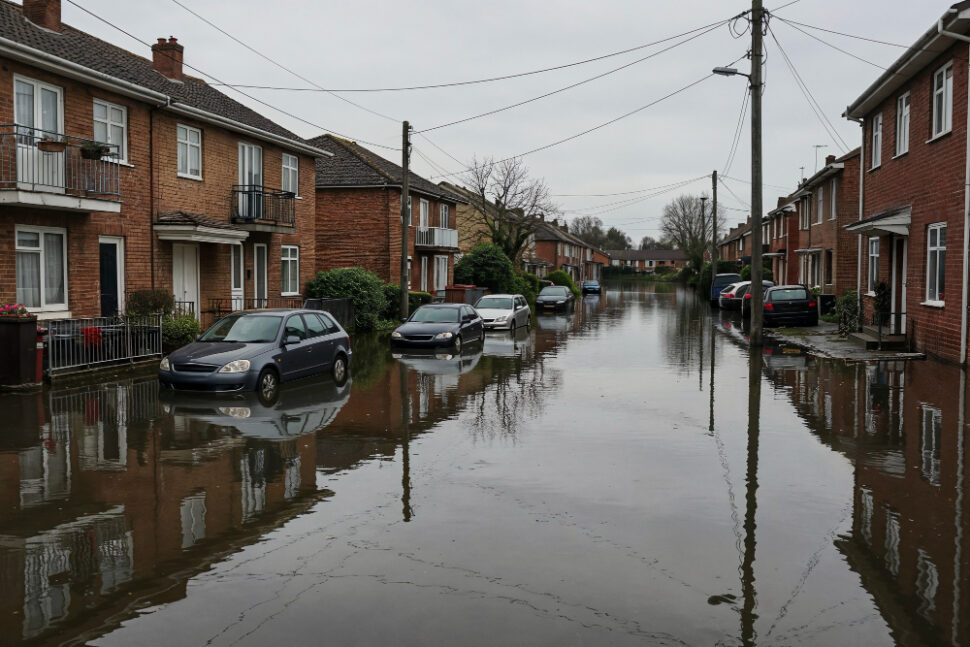
- Flood. Most home policies exclude flood damage. Flood insurance is sold separately through the National Flood Insurance Program or private insurers. TDI notes that more than half of the homes flooded by Hurricane Harvey were outside designated flood zones (TDI). See our flood insurance page.
- Earthquake and earth movement. Usually excluded; sometimes available by endorsement.
- Mold. Generally excluded unless it results from a covered loss.
- Wear and maintenance. Gradual leaks, aging, and deferred repairs are usually not covered.
If you also need protection above your home and auto liability limits, see umbrella insurance.
How to Compare Texas Home Insurance Quotes
Before you compare, collect:
- The address, year built, square footage, and construction type
- Roof age and material, and any recent roof replacement
- Updates to plumbing, electrical, and heating systems
- Prior claims for the past five years
- Your mortgage lender’s insurance requirements
When you compare quotes, look at:
- Dwelling limit and whether it reflects current rebuilding costs
- All-perils deductible and the separate wind and hail deductible
- Replacement cost or actual cash value for the dwelling, the roof, and your belongings
- Exclusions and endorsements, including water backup and mold
- Liability and medical payments limits
TDI’s HelpInsure.com lets Texans compare sample rates and coverage from many insurance companies (HelpInsure).
Texas Homeowners Insurance with Cover AI
Cover AI, LLC is an independent insurance agency licensed in Texas and Illinois. A licensed agent can explain your declarations page, review deductibles and exclusions, and help you request quotes from carriers available for your property. Learn more about homeowners insurance, renters insurance, and condo insurance, or read our Texas small business insurance guide if you also run a business.
Requesting a quote does not bind coverage. Coverage, deductibles, and eligibility depend on the insurer’s underwriting and the policy issued.
This article provides general educational information about homeowners insurance in Texas. It does not change or replace any policy. Coverage, exclusions, deductibles, and availability vary by insurer, property, and policy terms. Confirm details with your insurer, agent, or the Texas Department of Insurance.